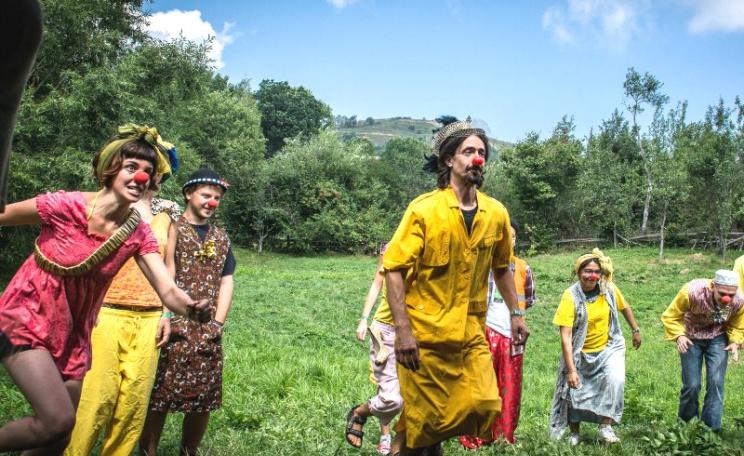
Grow for Syria is a new UK-based campaign bringing gardeners across the South West together to fundraise for Syrian refugees by selling plants, seeds and other garden-related items. LAURA BRIGGS explains how you can get involved
Pollution caused by burning fossil fuels are already causing the premature deaths of 200,000 people a year - in the US alone, writes Pete Dolack. Add up the figures worldwide and it comes to many millions. And that's before we even count the catastrophic long term impacts of global warming. The US response: to loosen anti-pollution regulation and encourage increased oil, coal and gas production.
Rio Tinto's QMM mine in Madagascar was meant to be an exemplar of 'corporate social responsibility' and environmental best practice. But the reality experienced by local communities is different, writes Yvonne Orengo, with uncompensated land seizures, food insecurity, deforestation and social deprivation. New concerns are emerging about the infringement of legal buffer zones and radiation exposure. Rio Tinto must be held responsible for its actions!
Increasing quantities of 'hidden GMOs' are finding their way into our diet, writes Pat Thomas. They are coming mainly in US imports for supermarkets and caterers, and in animal feeds used for meat, dairy and egg production. It's time for chefs, pubs, takeaways and restaurants to take responsibility for the food chains that supply them - labelling the GMOs in their meals, and better still, cutting them out.
Below-par farm biosecurity should block farmers from participating in England's badger culls, writes Anna Dale. But a large body of evidence of poor and negligent biosecurity by farmers suggests that Natural England, the government's official regulator, is turning a blind eye to this strict requirement - and undermining the purpose of the cull.
In the fight for a better, cleaner, more just and sustainable world, it's not enough just to oppose all all the 'bads' that crowd in from all sides, writes Mike Childs. We also have to build our own vision of the future, and map out the changes we must make to get there. And that's what Friends of the Earth is setting out to do in its transformational 'Big Ideas Change the World' project.
Campaigners up and down the country are trying to stop public access land from going under the hammer as UK councils seek ways to plug the Government funding gap. JAN GOODEY reports
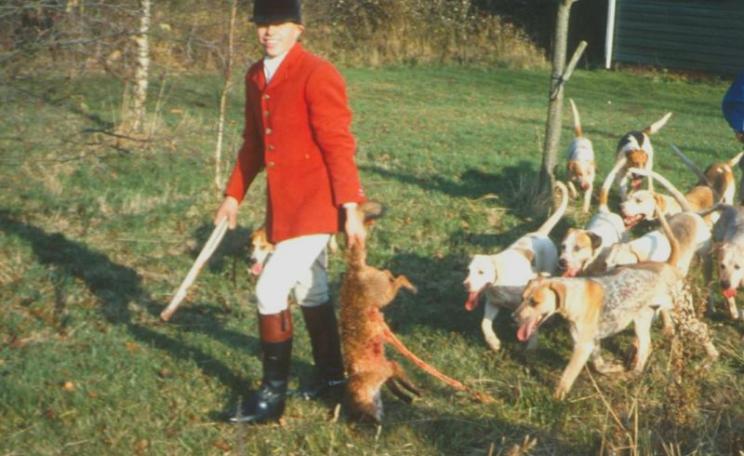
The 25 TB-infected hounds of the Kimblewick hunt, all put down, remind us that the lot of hunting dogs is not a happy one, writes Lesley Docksey. Unloved and at constant risk of slaughter, they are prone to a host of diseases, from bovine TB to brucellosis, neospora and botulism, which they can pass on to farm stock, humans and other dogs. They deserve better!
UK supermarkets led the world in saying 'no!' to GM foods and ingredients, writes Liz O'Neill. But they faltered on GM feeds for pigs, cattle, poultry and fish, with GM soy and corn dominating the UK's non-organic market. Now campaigners are putting the pressure on supermarkets to make their entire supply chains GMO-free for the sake of animal, human and ecological health.
If the thought of dropping a live lobster into a pan of boiling water horrifies you, then you're in good company including that of a new campaigning group that wants lobsters to be given the same animal welfare rights as other creatures. LAURA BRIGGS reports
Since February 18, 2005 roughly 200,000 illegal hunting events undertaken by registered hunts may have taken place in the UK, writes Jordi Casamitjana. By engaging in fictitious 'trail hunting', they can chase foxes as before, and when they are killed, well, it was all a shocking 'accident'. It's high time to strengthen the law to ensure the spirit in which it was passed is fulfilled.
Nonviolent activism is an incredibly powerful means of transforming the world, writes Robert J. Burrowes. But to harness that power, we must understand that it works by inspiring others to join in a just and noble cause, while communicating the actions they can take in their own lives. Its essential modes are thus political and psychological - and victory can result from apparent failure.
It's not just that the government does not seem to care about the millions of Britons that have died prematurely from traffic pollution, writes Donnachadh McCarthy. It's that every policy intervention they have made is making the problem worse! Join us this Saturday to demand a sane transport policy that will make our roads safe for people, and our air fit to breathe.
Animal campaigners who have returned from investigating the torture of street dogs in Romania are calling for new legislation that will prosecute those responsible
After leaving the EU the government could allow dangerous pesticides banned elsewhere in Europe to be used in the UK, writes Keith Tyrell. Today, Pesticides Action Network is launching a new campaign calling on citizens to fight back against the pesticide industry - and ensure that EU directives and regulations serve as a baseline for British pesticide laws.
In its second consultation for the EDF's planned Sizewell C nuclear power station there's a strange omission, writes Peter Lux: that the plant would use 1,600 m3 of mains water a day, adding to stresses on important local wetlands like RSPB's Minsmere reserve. The omission is not just strange - it's also illegal and could make the entire exercise invalid.
Last week's decision by the Romanian government to seek UNESCO World Heritage status for Rosia Montana, a historic Carpathian mountain village under threat of gold mining, is a massive victory for campaigners after a hard 15-year struggle, writes Alexandru Predoiu - one that has united farmers, city-dwellers and new-age protestors against cultural and ecological destruction.
A bill to quadruple the UK's aid funding to a profit-driven 'private equity' company owned by the government comes before MPs today for its third reading, writes Global Justice Now. Trouble is the investments do little or nothing for the poor, and instead entrench corporate power in health, education and infrastructure. Parliament should seize this last chance to reject the new law.
Chinese citizens are responsible for much of the wildlife crime taking place in Namibia, inflicting immense damage to the country's environment, and undermining community based conservation, writes the Namibian Chamber of Environment in this Open Letter to China's Ambassador Xin Shunkang. China must act to stop its citizens' criminal activities, and invest in making good the damage caused.
The US Environmental Protection Agency was on the defensive last week in its hearings to determine whether glyphosate, the word's number one herbicide, causes cancer, writes Carey Gillam, as it stood accused of giving preferential treatment to industry representatives, excluding evidence of cancer links, and refusing testimony from a world expert epidemiologist.
The Lifetime Study of Japanese A-bomb survivors is a monumental fraud which deliberately excludes controls for being 'too healthy', writes Chris Busby. Put them back in, and you find that low levels of radiation cause over 100 times more cancer than they are 'meant' to, creating a silent global massacre of the innocent. Under the Euratom treaty, the entire nuclear industry must now be 'rejustified'.
Supported by state and national governments, palm oil plantations are advancing over the rainforest hills of Sabah, Malaysia, writes Sophie Chao. In their way: the indigenous Murut of Bigor, whose culture, livelihood and very lives are under threat as forests and farms fall to chainsaws and bulldozers, enriching loggers and distant investors beyond the dreams of avarice.